MOMBASA, Kenya – Human rights defenders (HRDs) and youth leaders from across Mombasa recently took part in a specialized training organized by Civic Voice in collaboration with the Defenders aimed at strengthening their safety, resilience, and operational preparedness in increasingly complex civic spaces.
The training brought together activists working on issues ranging from accountability and governance to social justice and community organizing. It focused on equipping participants with practical, adaptable tools to navigate risks associated with human rights work, particularly in environments where surveillance, intimidation, and physical threats are a growing concern.
A key component of the training centered on physical security management. Participants were equipped with practical skills to enhance their safety both on and off duty. This included identifying potential threats, responding to hostile situations, and adopting safety measures during fieldwork, demonstrations, and community engagements.
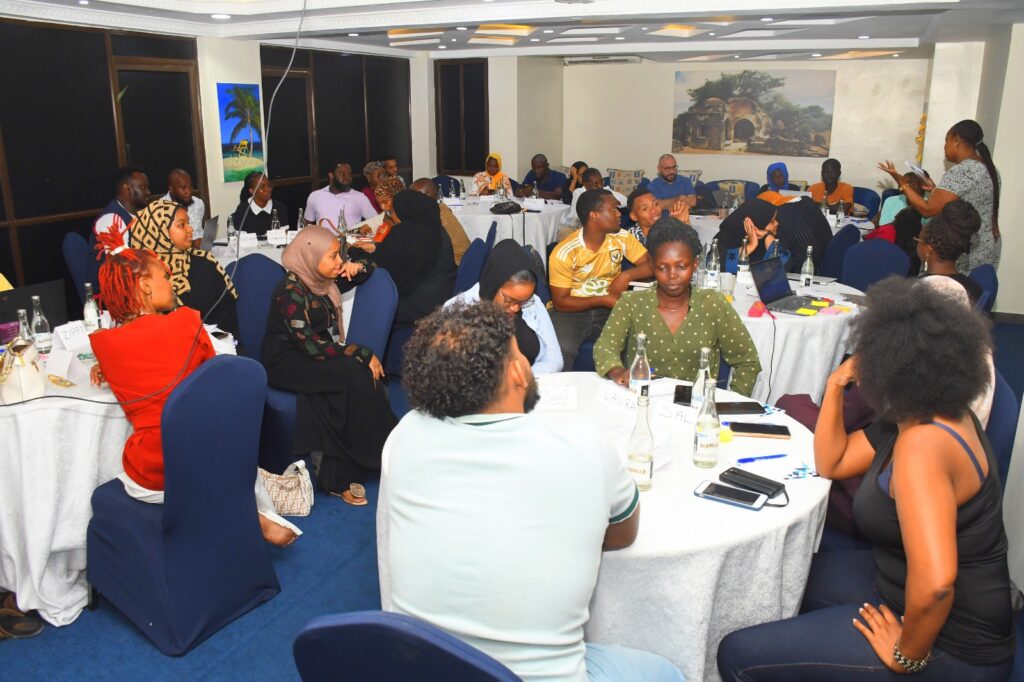
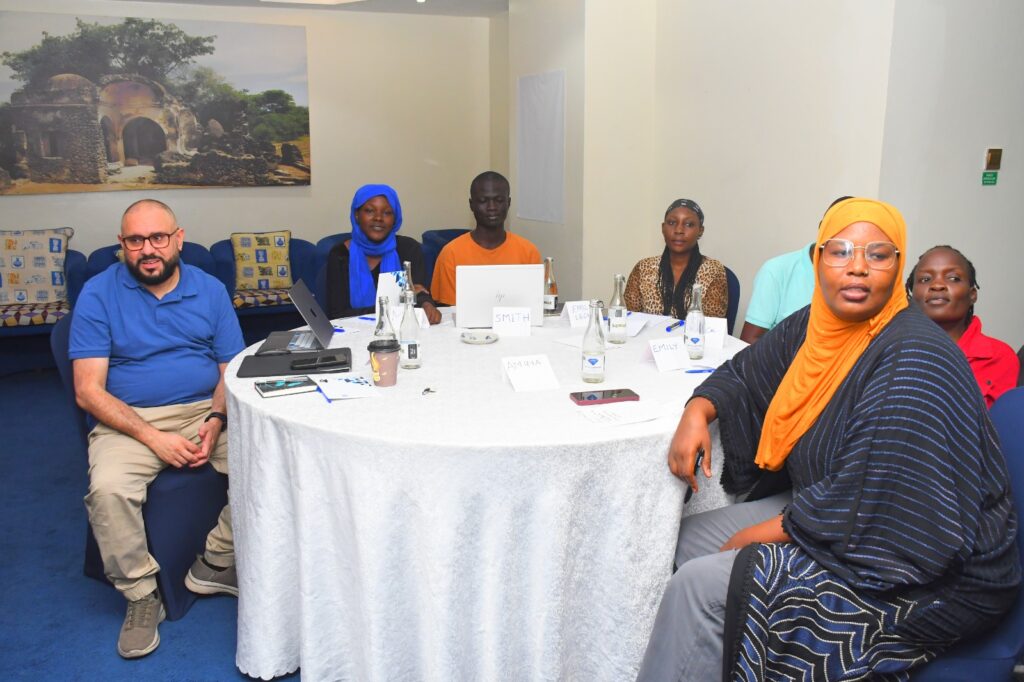
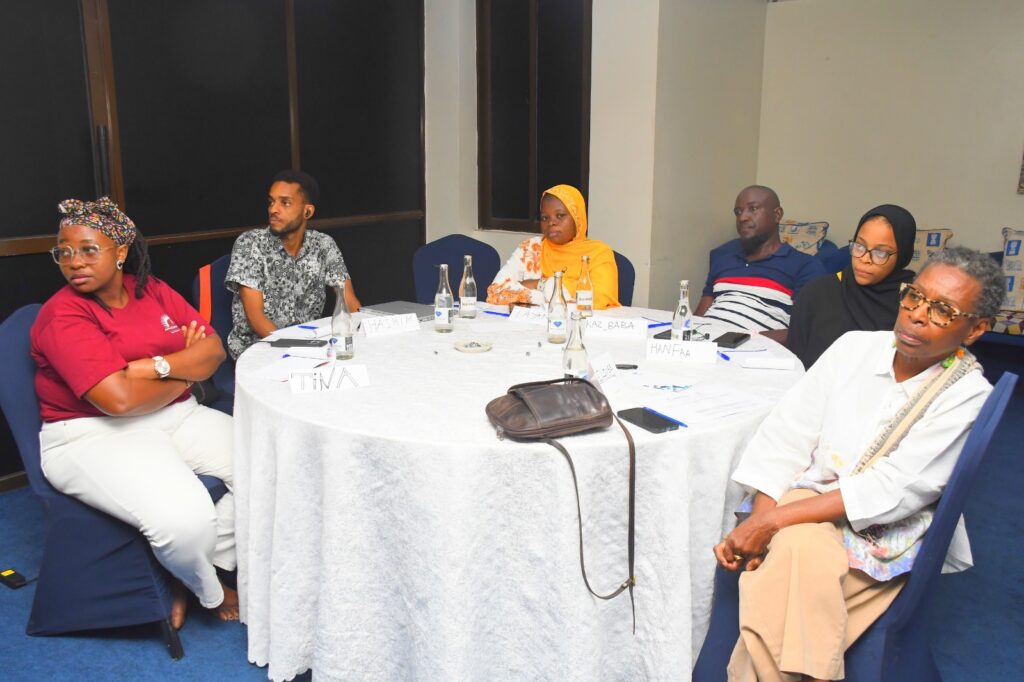
Facilitators emphasized the importance of situational awareness, buddy systems during deployments, and maintaining clear communication channels when operating in volatile contexts. The aim was to ensure that HRDs are not only reactive to threats but are also proactive in anticipating and mitigating risks.
In an era where digital surveillance and cyber threats are increasingly used to target activists, the training also dedicated significant attention to digital security.
Participants learned how to secure their communications, protect devices from unauthorized access, and safeguard sensitive data such as witness testimonies, documentation, and advocacy materials. The sessions underscored practical steps including password hygiene, secure messaging practices, device encryption, and identifying phishing attempts.
This component reinforced the reality that digital safety is now inseparable from physical safety for human rights defenders.
Another critical aspect of the training was security planning. Participants were guided through the process of developing customized standard operating procedures (SOPs) tailored to their specific work environments and risk profiles.
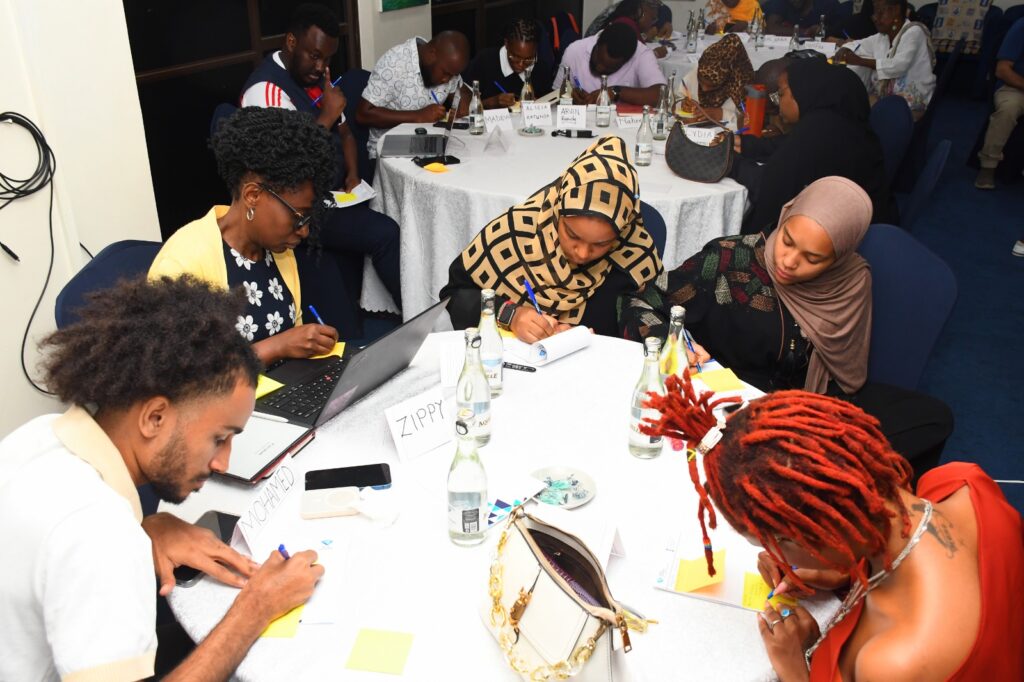
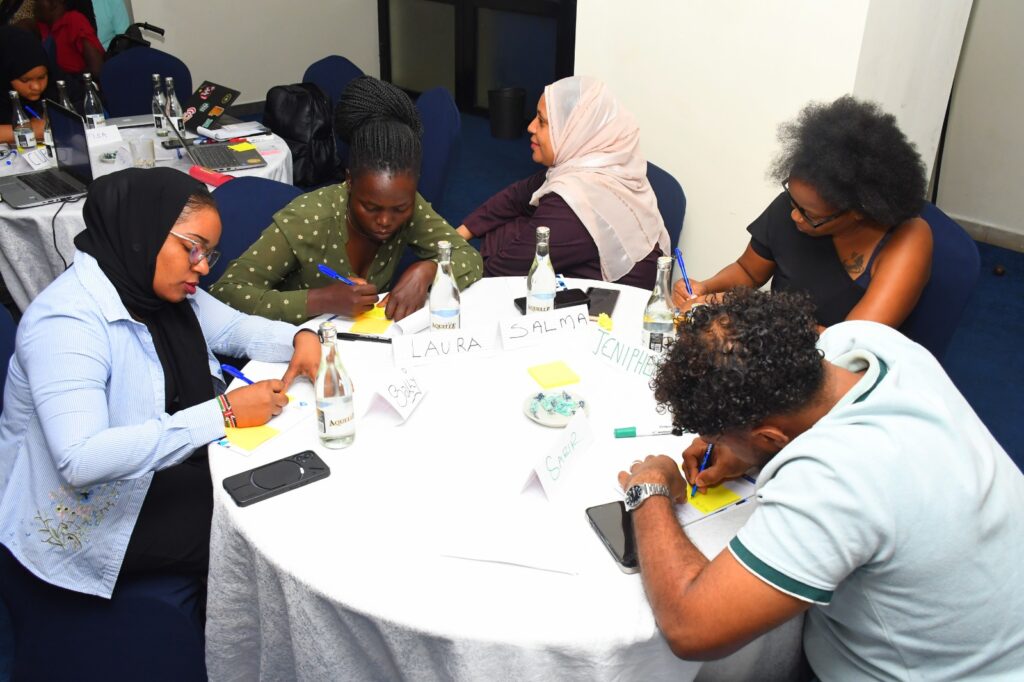
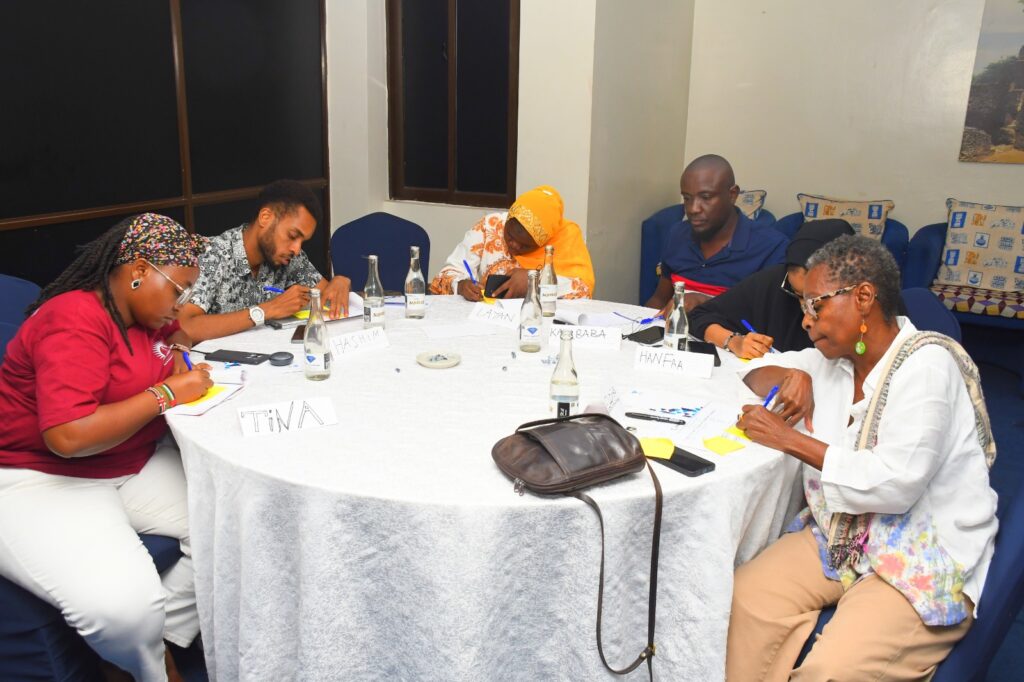
These SOPs are intended to support rapid decision-making during emergencies, streamline response protocols, and ensure coordinated action among team members during crises. The training also encouraged organizations and informal activist networks to institutionalize risk assessments as part of their routine planning processes, rather than treating them as reactive measures.
Recognizing the emotional toll of sustained human rights work, the training integrated mental wellness and psychosocial support as a core pillar of security.
Participants engaged in discussions on stress management, trauma awareness, burnout prevention, and peer support systems. Facilitators highlighted that sustained advocacy work requires not only physical and digital safety but also emotional resilience.
The sessions encouraged defenders to normalize seeking support and to build collective care structures within their movements, emphasizing that mental wellbeing is central to long-term effectiveness and sustainability in activism.
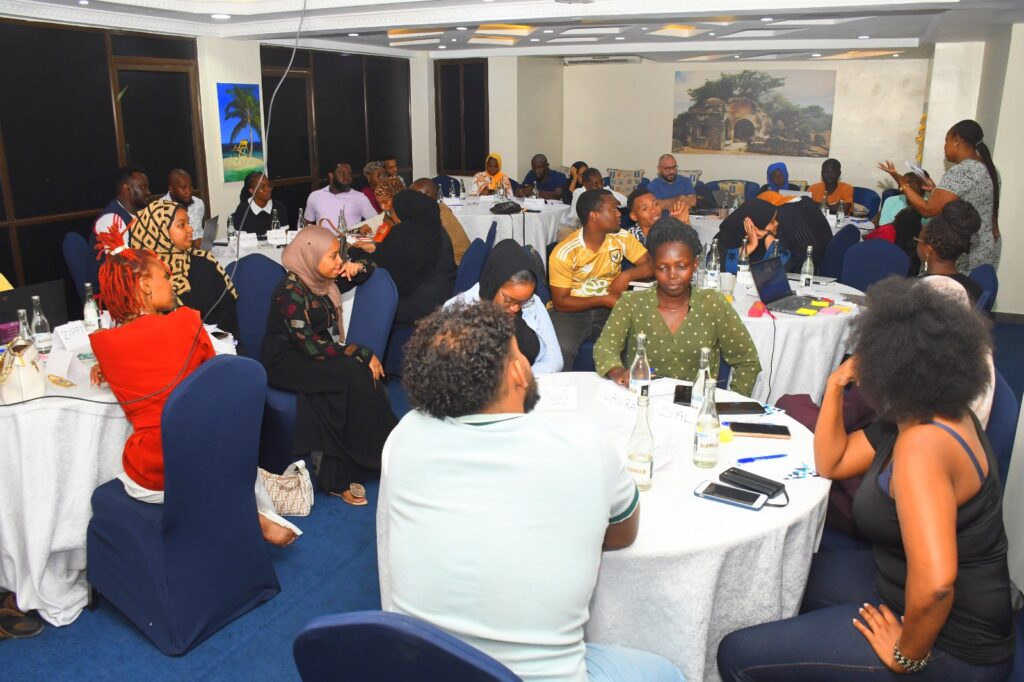
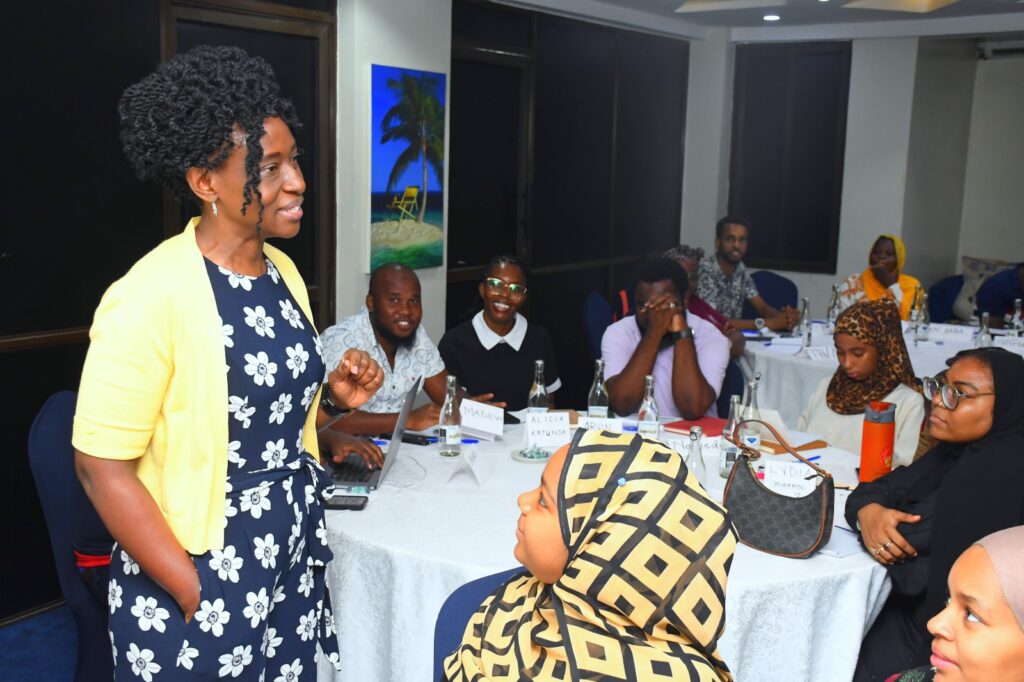

The training by Civic Voice and the Defenders Coalition reflects a growing recognition that protecting human rights defenders requires a holistic approach—one that integrates physical safety, digital protection, structured planning, and mental wellbeing.
As civic space continues to face pressure in various contexts, such initiatives play a critical role in ensuring that those on the frontlines of accountability and justice are better prepared, better protected, and better supported in their work.